
Search the blog data base by keyword or topic:

Happy Hacks: Dr. Dave Schramm’s Texas A&M 2022 Presentation on Positivity & Connection
In his November 2022 “Happy Hacks” presentation at Texas A&M, Dr. Dave Schramm unveils science-backed strategies for living well: focusing on social bonds, cultivating mental positivity, and practicing humility. He explores what truly makes people happy—like emotional “flow,” mindfulness, gratitude, random acts of kindness, and the importance of meeting core needs. This talk blends practical tips with inspiration for deeper connection.

Connection is The First Priority | John Howard | #10
In Episode #10, guest John Howard explores how connection—not communication—is what truly matters, grounded in neuroscience. Drawing from his book More Than Words, he shares connection “hacks”—nonverbal cues rooted in the nervous system—and tips for partnering through vulnerability, shifting from ‘I’ to ‘we’, and communicating love beyond words. These practical tools help deepen bonds in families and marriages.

Celebrating Anniversaries | Dr. Dave Schramm & Dr. Liz Hale | #9
Every relationship can fall into routine—and anniversaries can help reset that drift. In this conversation, Dr. Dave and Dr. Liz share four heartfelt tips—be authentic, attentive, appreciative, and affectionate—to make anniversaries meaningful opportunities for connection, renewal, and growth. Discover ways to celebrate in ways that reflect your unique love and keep your marriage vibrant.

Turning a Difficult Marriage Around | Jeff Forte | #8
Feeling stuck in your marriage? In this episode, Jeff Forte shares how one person’s commitment—through presence, vision, and intentional interaction—can transform even the most challenging relationships. From navigating stress like COVID to creating ‘The 90-Minute Marriage Miracle,’ Jeff reveals how focusing on what can change restores connection and hope. Listen to learn how small shifts lead to extraordinary turnaround.

Put Down The Phone - Tech Effects on Connection | Dr. Brandon McDaniel | #7
In this episode, Dr. Dave and guest Brandon McDaniel, PhD, dive into the subtle yet powerful impact of technology use on our closest relationships. Brandon explains his term “technoference”—when phones and screens interfere with face-to-face connection. He emphasizes that 'not all technology is bad,' but offers practical advice for managing our tech habits, setting boundaries, and reclaiming real, meaningful connection.

Am I in an Abusive Relationship? | Jill Anderson | #6
October is Domestic Violence Awareness Month—Dr. Dave Schramm and Jill Anderson, CEO of CAPSA, guide us through recognizing abuse: understand the power & control wheel, decode gaslighting, and learn when to set boundaries. Packed with survivor stories, clear definitions, and practical resources, this episode offers vital clarity and courage for those questioning their relationship dynamics.

How to turn Resentment into Compassion | Dr. Steve Stosny | #5
In this insightful conversation, Dr. Steve Stosny—founder of CompassionPower and author of Empowered Love—reveals how resentment, anger, and emotional disconnection can be offset by compassion, which he calls the lifeblood of intimate relationships. Through powerful ideas like ‘acting on your values, not your feelings’, compassionate assertiveness, and breaking the cycle of negativity, he offers a clear path toward deeper marital connection.

The Key to a Happy Marriage: 4 Principles to Build Connection & Happiness| #4
“Discover why ‘a happy we’ starts with ‘a happy me.’ In episode #4 of the Stronger Marriage Connection, Dr. Dave and Dr. Liz unpack four foundational principles—Search Inward, Turn Outward, Look Upward, Press Forward—that guide you toward deeper connection, resilience, and fierce loyalty in your marriage. These simple, intentional steps empower couples to cultivate joy and enduring partnership.

How to Develop True Intimacy: Conversation with Stacy Goulding | #3
In Episode 3 of the Stronger Marriage Connection podcast, Dr. Dave Schramm welcomes Stacy Goulding—a licensed health educator and creator of the True Intimacy class. Their heartfelt conversation explores how vulnerable, honest dialogue between partners can protect against confusion and silent suffering. Stacy shares practical tips for couples and parents to open meaningful, courageous conversations—whether gearing up for marriage or deepening existing bonds.

Building Commitment in Marriage | Dr. Bill Doherty | #2
Dr. Bill Doherty offers wise and practical advice on creating lasting marriage commitment. He contrasts ‘commitment-as-long-as …’ with ‘commitment-no-matter-what,’ urging couples to anchor their union in intentional rituals and shared purpose—not moment-to-moment satisfaction. By prioritizing small, daily acts of connection and choosing ‘us’ over consumerism, couples can resist cultural drift and build a marriage that endures.

Stronger Marriage Connection Podcast Launch | Dr. Dave Schramm & Dr. Liz Hale | #1
“In the debut episode of the Stronger Marriage Connection Podcast, Dr. Dave Schramm and Dr. Liz Hale introduce themselves and share their expertise—from family life to clinical psychology. They discuss why they launched the podcast, their shared mission, and what listeners can expect: authentic conversations with global relationship experts on topics like intimacy, communication, and rebuilding connection.

5 Easy Ways to Make Reading Fun & Effective for Kids Ages 2–6
Did you know reading together builds more than just literacy—it strengthens your child’s brain and bonds too? Dr. Dave Schramm offers five simple strategies: invite your child to participate, bring stories to life with fun voices and actions, embrace favorite books, explore libraries and cozy reading spaces, and make reading a daily habit. It’s a joyful way to grow connection and learning.

When My Child Hits: Gentle Strategies for Ages 2–6
It’s common—and totally normal—for children ages 2–6 to hit when emotions run high. Dr. Dave Schramm walks parents through five thoughtful steps: see the situation from your child’s perspective, prevent triggers, act without shaming, help them calm down, and gently teach kindness. With grace and good boundaries, even tough moments become opportunities for connection and growth.
Consider this, how we respond rather than react will make all the difference.
1. Look at things from your child’s point of view and remember that it’s a process to learn better behaviors;
2. Prevent problems when possible;
3. Take action without insult;
4. Help your child calm down and feel safe; and
5. Teach and show your child how to be kind.

7 Simple Ways To Build Connection With Your Spouse
Did you know 93% of communication is nonverbal? In this post, Dr. Dave Schramm shares seven easy ways to build connection with your spouse—like using the 10–5 smile rule, offering genuine appreciation, calling them by name, and practicing intentional listening. Rooted in his Safety–Satisfaction–Connection framework, these practical tips invite more warmth, understanding, and closeness into everyday marriage life.

The Power of Play for Kids Ages 2–6: Simple Ways to Connect and Grow
Even a few minutes of play with your child can be transformative. In this post, Dr. Dave Schramm shares quick, heart-building ideas—like making time to play undistracted, inviting your child to help with small tasks, and suggesting fun, shared activities. These moments foster connection, teach social skills, and lay the foundation for meaningful relationships.
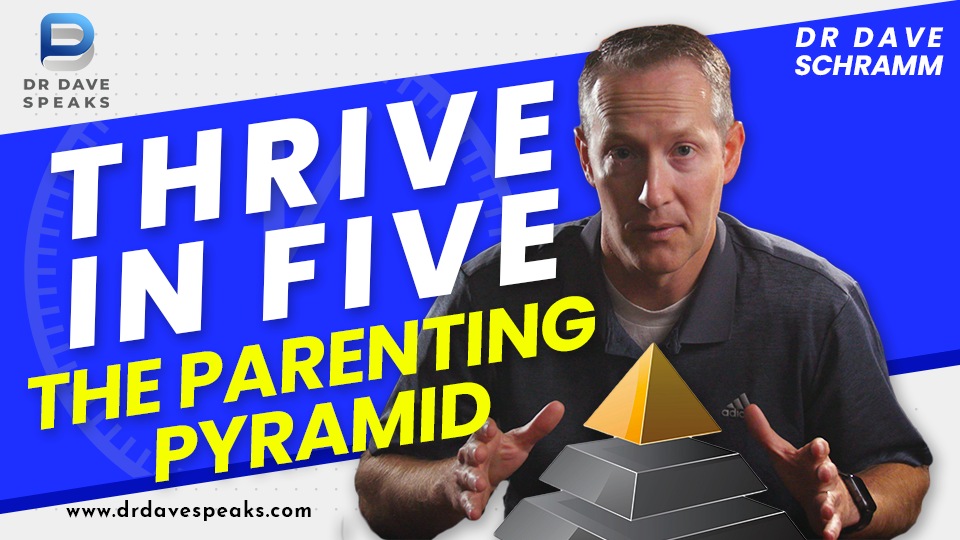
Using the Parenting Pyramid: Build Connection Before Teaching & Correction
Rather than defaulting to discipline, the Parenting Pyramid encourages us to ask: 'How can I help things go right?' Dr. Dave Schramm explains how effective parenting builds from the bottom up—starting with personal well-being, through couple and parent–child connection, then teaching, and finally correction. When our relationships and teaching are strong, correction becomes a natural extension, not the centerpiece.

How to Talk to Teens About Suicide & Mental Health: 4 Actions Educators Can Take
Suicide touches us all—and those in schools can be the first to notice. Dr. Dave Schramm outlines four vital steps: ask directly about suicide, recognize warning signs like sudden emotional shifts, share accessible resources for support, and remember that even one caring conversation can save a life. Educators truly can make a difference.

Potty Training Tips for Kids Ages 2–6: Gentle, Effective Strategies for Parents
Potty training is a major milestone—and it doesn’t have to be stressful. In this post, Dr. Dave Schramm offers gentle, practical tips for kids ages 2–6: look for readiness signs, establish a positive potty routine, use encouraging language, and celebrate small wins. With empathy and consistency, you can guide your child toward independence and make the journey smoother for both of you.

Mirroring Children’s Emotions: How Emotional Reflection Builds Connection and Calm
When your child is overwhelmed by emotions, logic won’t help. In this post, Dr. Dave Schramm explains how ‘holding up an emotional mirror’—reflecting back what your child is feeling—validates their experience and soothes their nervous system. Backed by expert insights from Gottman and others, he shows how empathy and emotional labeling become the foundation for connection, calm, and emotional intelligence.

Suicide Warning Signs & Risk Factors: What Educators and Parents Must Know
About 80% of students show clear warning signs before a suicide attempt, and nearly 90% have identifiable risk factors like depression or substance challenges. In this critical post, Dr. Dave Schramm emphasizes how educators and parents can spot persistent behavioral changes—such as withdrawal, mood shifts, or academic decline—and take safe, trust-building steps to listen, connect, and act. Because noticing and asking, 'Are you OK?' can save a life.